How does the hair transplant process in Turkey work? Discover a detailed guide about hair transplant in Istanbul, recovery, clinic selection, and the premium patient experience.
Learn More
Adem Demiral is a hair transplant specialist located in Atasehir, Istanbul, focusing on the intricacies of hair restoration. This article delves into the topic of hair transplants later in life, emphasizing the need for a careful balance between health considerations and patient expectations.
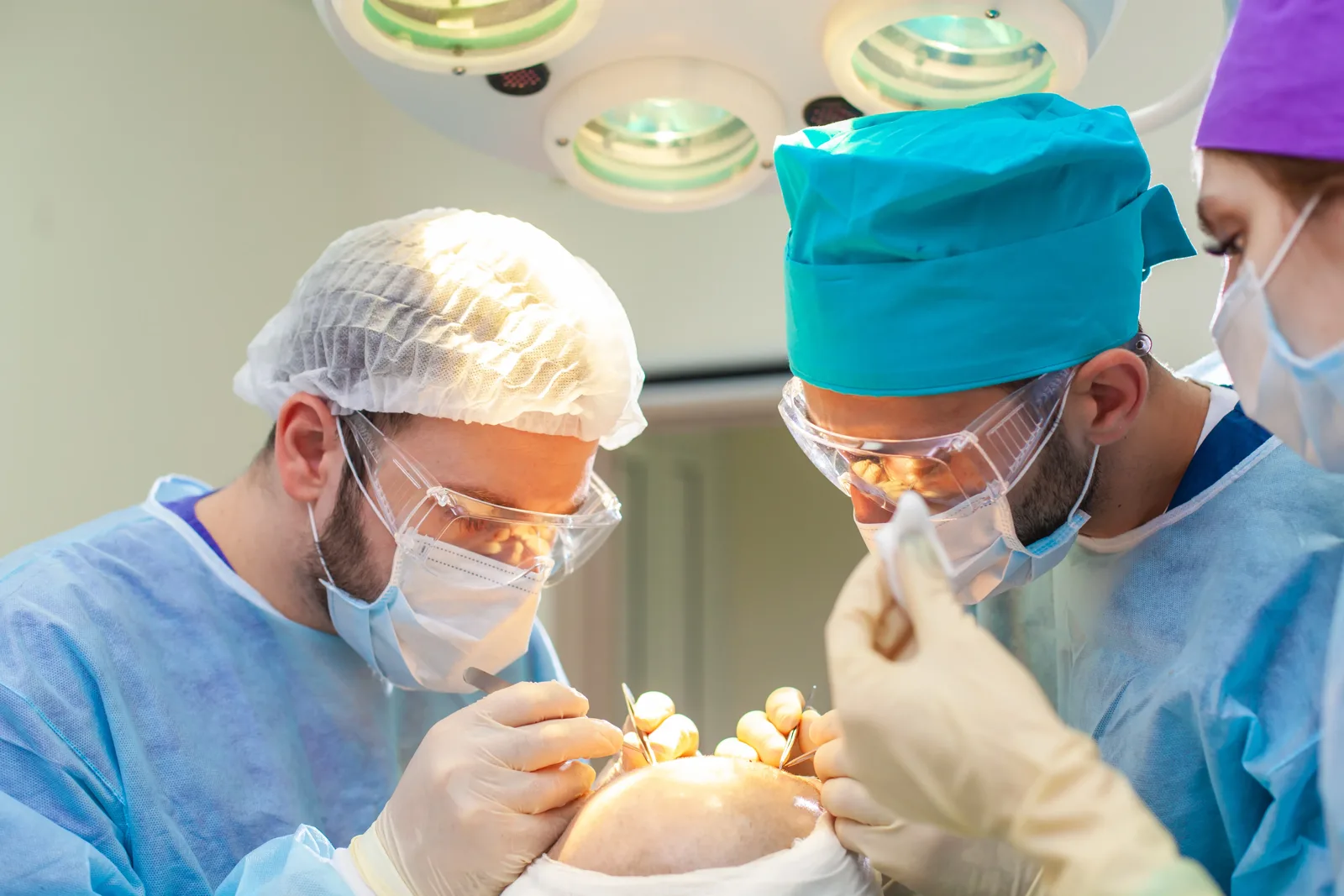
Hair transplants have become a popular solution for individuals experiencing hair loss. The techniques employed, such as Diamond FUE, DHI Pro, and Sapphire FUE, offer various methods to restore hair effectively. Each technique has its unique advantages and is tailored to meet the specific needs of patients, ensuring optimal results.
The Diamond FUE (Follicular Unit Extraction) technique utilizes a diamond-tipped micro-punch to extract hair follicles with minimal trauma to the scalp. This precision not only enhances the survival rate of the grafts but also minimizes the risk of scarring. DHI Pro (Direct Hair Implantation) allows for the simultaneous extraction and implantation of hair follicles, which can lead to a more natural hairline and quicker recovery time. Sapphire FUE employs sapphire blades, which are known for their sharpness and precision, reducing scalp trauma and promoting faster healing. Each of these methods has been developed to cater to different hair loss patterns and patient preferences, making it essential for candidates to discuss their options with a specialist.
Moreover, the advancements in hair transplant technology have made these procedures more accessible and effective. The introduction of robotic systems and automated tools has further enhanced the precision and efficiency of hair transplants. As patients consider these options, they should be informed about the latest techniques and how they can benefit their specific situation. Understanding the nuances of each method is crucial for making an informed decision.
As individuals age, hair loss can become more pronounced. Many seek hair transplants to regain confidence and improve their appearance. However, it is essential to approach this decision with realistic expectations and an understanding of health implications. Hair loss can significantly affect an individual's self-esteem, leading many older adults to consider surgical options to restore their youthful appearance.
For many older adults, hair transplants serve not just as a cosmetic procedure but also as a psychological boost. The restoration of hair can lead to increased self-confidence and a renewed sense of vitality. However, it is important to recognize that hair loss is a natural part of aging, and while a transplant can help, it may not completely reverse the effects of time. Candidates should be prepared for the possibility that their hair restoration journey may require ongoing maintenance, including future procedures or additional treatments to maintain hair density.
Additionally, older adults may have different motivations for seeking hair restoration compared to younger individuals. While younger patients often desire a full head of hair for aesthetic reasons, older patients may be more focused on achieving a natural look that complements their age. Understanding these motivations can help specialists tailor their approach and recommendations, ensuring that patients feel satisfied with their results.

Older candidates must consider several health factors before undergoing a hair transplant:
Understanding these health considerations is crucial for both patients and specialists. A comprehensive pre-operative assessment can help identify any potential risks and ensure that the patient is adequately prepared for the procedure. This may include additional tests or consultations with other healthcare providers to ensure that all aspects of the patient's health are taken into account.
Furthermore, older patients should be aware of the importance of post-operative care and follow-up appointments to monitor their recovery. This ongoing support can help address any complications that may arise and ensure that the transplant results are as expected.
Patients must align their expectations with the realities of what a hair transplant can achieve. Understanding the limitations of the procedure can help prevent disappointment. It is crucial for patients to recognize that while hair transplants can restore hair, they cannot stop the natural aging process or prevent future hair loss.
During the consultation process, specialists like Adem Demiral emphasize the importance of open communication regarding desired outcomes. Patients should be encouraged to share their goals and concerns, allowing the specialist to provide tailored recommendations that align with the patient's unique situation. This collaborative approach can foster a sense of trust and ensure that patients feel heard and understood.
Moreover, patients should be educated about the typical timeline for results. Hair transplants do not yield immediate results; it can take several months for the transplanted hair to grow and for the final results to become apparent. This understanding can help manage expectations and reduce anxiety during the recovery period. Additionally, discussing potential follow-up treatments or maintenance options can empower patients to take an active role in their hair restoration journey.
At Adem Demiral Hair Clinic, a detailed consultation is essential for setting realistic goals. During the pre-evaluation, patients can discuss their concerns and desired outcomes with the specialist. This step is critical for assessing the patient's candidacy for a hair transplant and determining the most appropriate technique for their needs.
The pre-evaluation process typically includes a thorough examination of the patient's scalp, an assessment of hair loss patterns, and a review of medical history. This comprehensive approach allows the specialist to identify any potential issues that may impact the success of the transplant. Additionally, patients are encouraged to ask questions and express any concerns they may have about the procedure, recovery, and expected results.
Furthermore, the consultation serves as an opportunity for the specialist to educate the patient about the different techniques available and how they can be tailored to suit the individual's needs. By providing clear and transparent information, patients can make informed decisions about their hair restoration journey, ultimately leading to greater satisfaction with the results.
Various techniques may be more suitable for older patients, depending on their individual conditions:
Choosing the right technique is crucial for achieving optimal results, particularly for older patients who may have specific concerns related to their age and health. A thorough discussion with the specialist can help identify the most appropriate method based on the patient's individual needs and goals.
In addition to these techniques, it is essential for older patients to consider their hair type, density, and the extent of hair loss when selecting a method. Personalized treatment plans that take these factors into account can lead to more successful outcomes and greater patient satisfaction.

Post-operative care is vital for the success of the transplant. Patients should follow the aftercare instructions provided by the clinic to ensure optimal healing. This includes avoiding strenuous activities, protecting the scalp from sun exposure, and adhering to any prescribed medications or topical treatments.
Recovery time can vary based on the individual and the technique used, but most patients can expect to return to normal activities within a week. During this time, it is essential to monitor for any signs of complications, such as excessive swelling, bleeding, or infection. Regular follow-up appointments with the specialist can help ensure that the healing process is progressing as expected and that any concerns are addressed promptly.
Furthermore, patients should be educated about the typical timeline for hair growth following a transplant. Initially, transplanted hair may shed, which is a normal part of the process, before new hair begins to grow. Understanding this timeline can help manage expectations and reduce anxiety during the recovery period. Additionally, patients should be encouraged to adopt a healthy lifestyle, including a balanced diet and proper hydration, to support the healing process and promote hair growth.
Integrating PRP (Platelet-Rich Plasma) and stem-cell supported care can enhance the results of hair transplants. These treatments promote healing and stimulate hair growth, making them valuable options for older candidates. PRP therapy involves drawing a small amount of the patient's blood, processing it to concentrate the platelets, and then injecting it into the scalp to promote healing and hair growth.
Research has shown that PRP can improve the density and thickness of hair, making it an excellent adjunct to hair transplant procedures. For older patients, who may have concerns about hair quality and growth, PRP can provide additional support and enhance the overall results of the transplant. This treatment can be performed in conjunction with the transplant or as a follow-up to further stimulate hair growth and improve the health of existing hair.
Stem-cell therapy is another innovative approach that holds promise for hair restoration. By harnessing the regenerative properties of stem cells, this treatment can promote hair follicle growth and improve scalp health. While still being studied, early results indicate that stem-cell therapy may offer significant benefits for older patients seeking to restore their hair. Discussing these options with a specialist can help patients understand the potential benefits and determine if these therapies are suitable for their individual needs.
Hair transplants later in life can offer significant benefits, but it is essential to maintain a balance between health and expectations. With the guidance of Adem Demiral, a hair transplant specialist in Atasehir, Istanbul, individuals can navigate this journey with informed decisions. By understanding the various techniques available, health considerations, and the importance of realistic expectations, older patients can make empowered choices about their hair restoration.
The journey to restoring hair can be a transformative experience, not just physically but also emotionally. With proper guidance and care, older patients can achieve natural-looking results that enhance their confidence and overall quality of life. As the field of hair restoration continues to evolve, staying informed about the latest advancements and treatment options will be crucial for those considering a hair transplant.
There is no specific age limit, but overall health and individual circumstances are more important factors. As long as the patient is in good health and has realistic expectations, they may be a suitable candidate for a hair transplant.
Yes, hair transplants can be safe for older adults, provided they have no significant health issues. A thorough evaluation by a specialist can help determine the patient's candidacy for the procedure.
Recovery time varies, but most patients can return to normal activities within a week. However, full results may take several months to become apparent as the hair grows and matures.
It depends on the specific health conditions; a thorough evaluation is necessary. Patients with chronic conditions should consult with their healthcare provider and the hair transplant specialist to assess their suitability for the procedure.
Techniques like Diamond FUE and DHI Pro are often recommended for older patients due to their minimally invasive nature and reduced recovery time. The choice of technique should be based on individual needs and health considerations.
PRP can enhance healing and stimulate hair growth, making it a beneficial adjunct to hair transplants. This treatment can improve the density and quality of hair, providing additional support for older patients seeking restoration.
This article is published by Adem Demiral Hair Clinic for general information. It is not a diagnosis, a treatment plan, or a personal graft estimate. Suitability requires an in-person assessment in Atasehir.
How does the hair transplant process in Turkey work? Discover a detailed guide about hair transplant in Istanbul, recovery, clinic selection, and the premium patient experience.
Learn More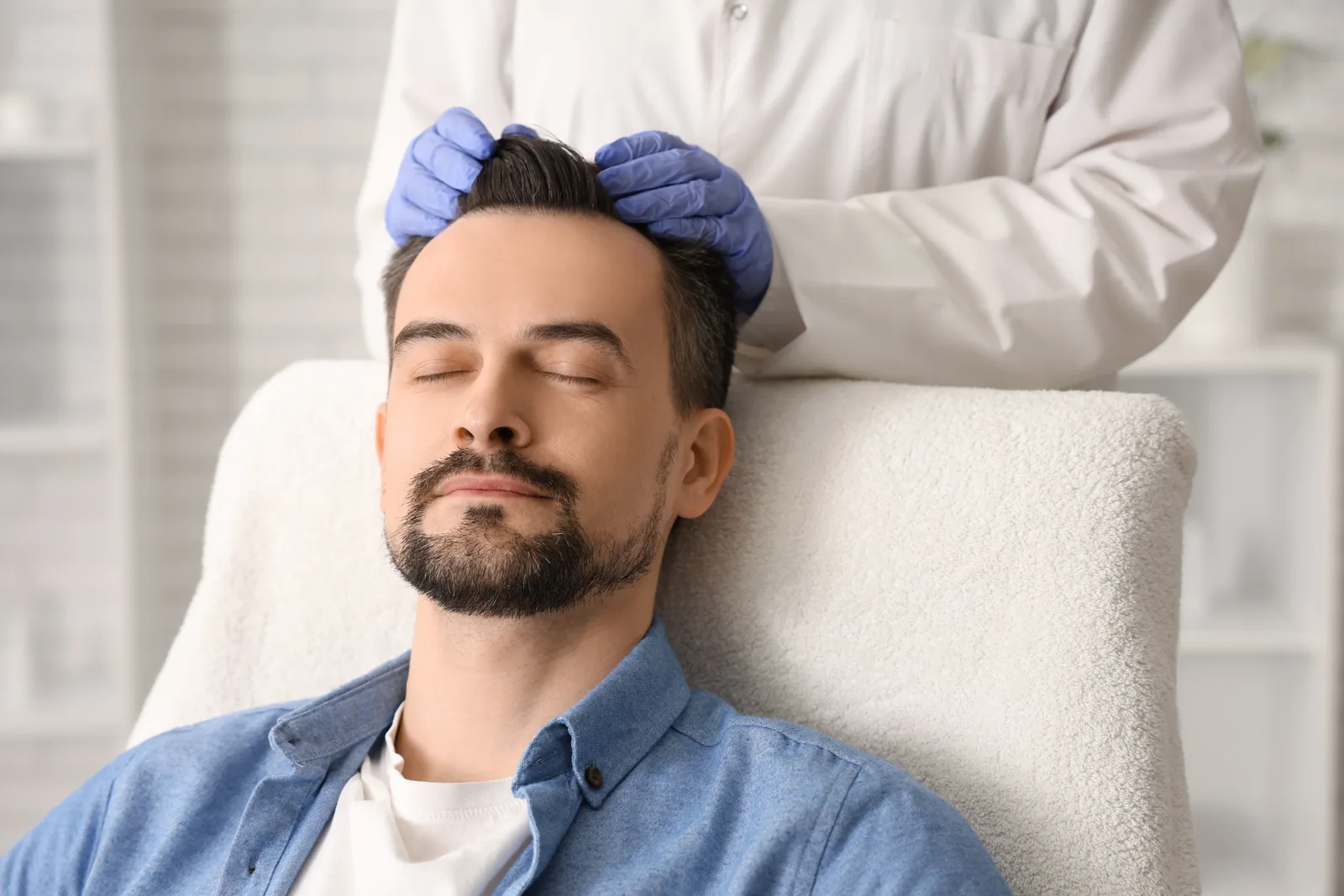
How does the recovery process after a hair transplant progress? Discover the first wash, shock loss, hair growth timeline, and the 12-month transformation in detail.
Learn More
Discover the differences between DHI and Sapphire FUE hair transplantation. A detailed comparison in terms of density, natural appearance, recovery process, and unshaven hair transplantation.
Learn More
Hair loss can become both a physical and psychological concern for many people. Today, hair transplantation stands out as one of the most effective solutions for addressing this issue.
Learn More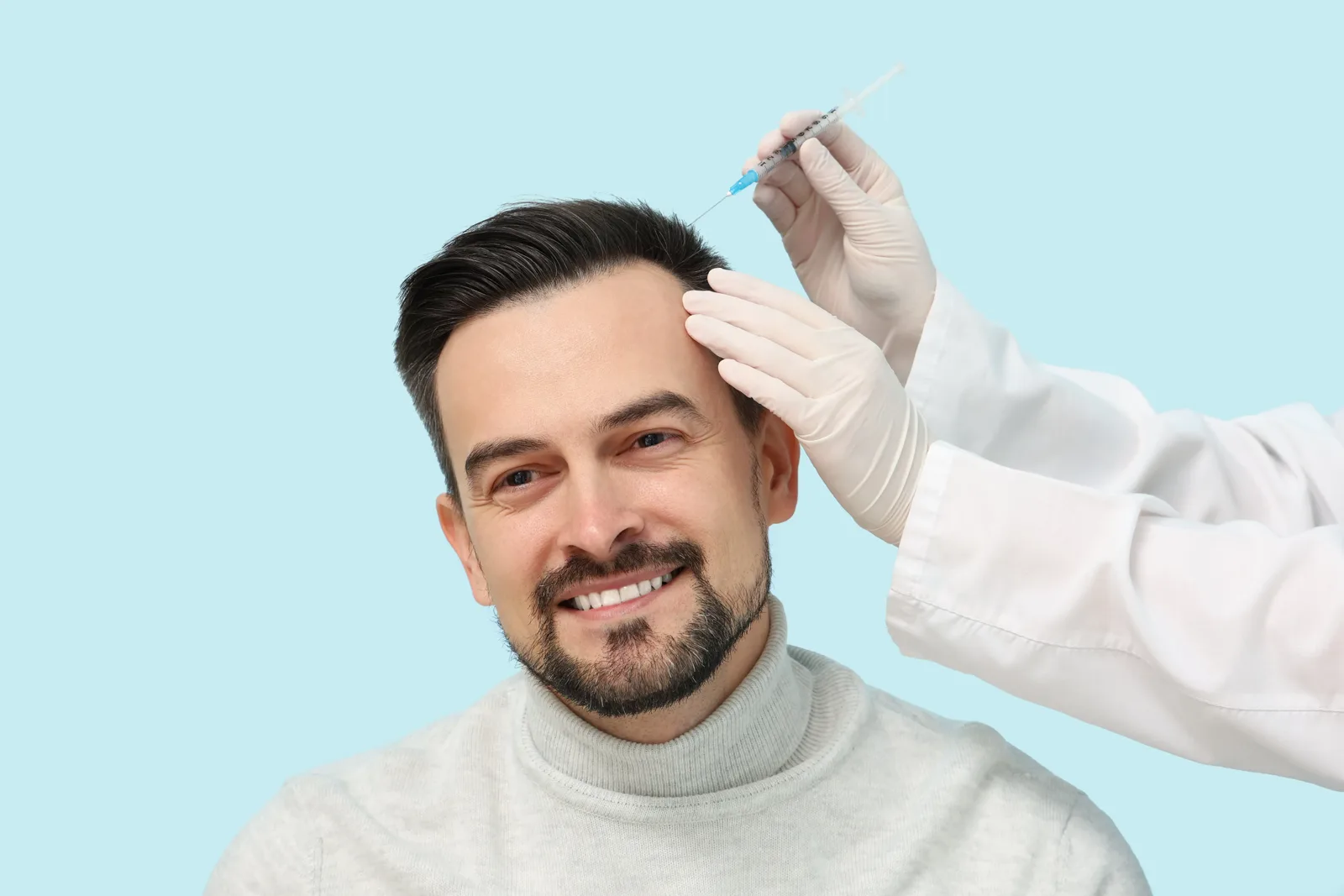
Hair loss can become both a physical and psychological challenge for many people. Today, hair transplantation stands out as one of the most effective solutions to this problem.
Learn MoreFill out the form for hair analysis, appointments, and consultation requests, or contact us directly.