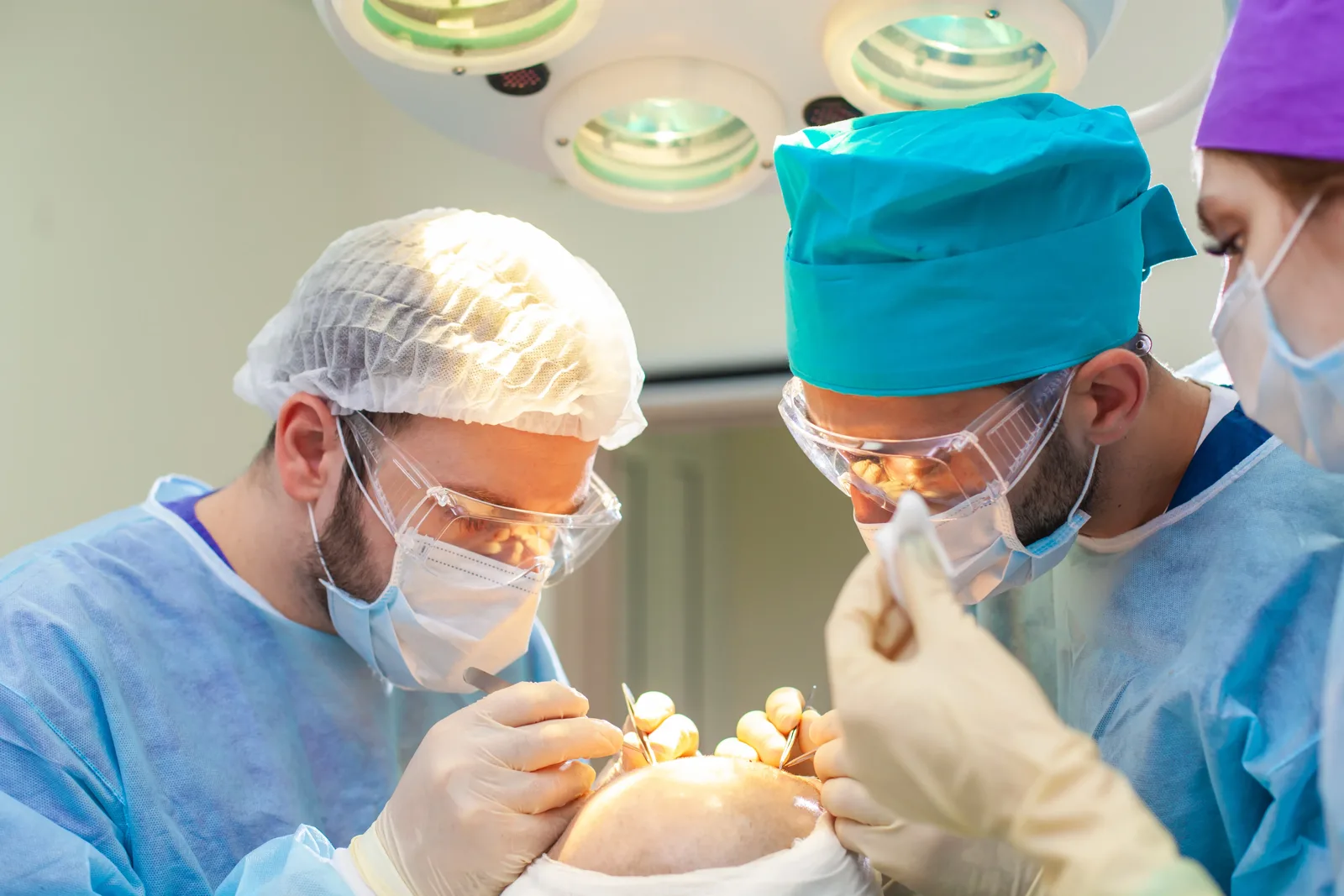
How does the hair transplant process in Turkey work? Discover a detailed guide about hair transplant in Istanbul, recovery, clinic selection, and the premium patient experience.
Learn More
Adem Demiral is a hair transplant specialist based in Atasehir, Istanbul, with over 25 years of experience in health and aesthetics. This article explores how young individuals considering hair transplants can manage the risks associated with hair loss progression.
Hair loss can occur at any age, but its onset during youth can be particularly distressing. Factors such as genetics, hormonal changes, and lifestyle can contribute to early hair thinning or baldness. Understanding these factors is crucial for young patients seeking hair transplant solutions.
Genetics plays a significant role in hair loss, particularly androgenetic alopecia, commonly known as male or female pattern baldness. This hereditary condition can manifest as early as the late teens or early twenties, making it critical for young individuals to recognize their family history regarding hair loss. Hormonal changes, especially those associated with puberty, can also trigger hair thinning. For instance, fluctuations in testosterone levels can lead to an increased sensitivity of hair follicles, resulting in premature hair loss.
Lifestyle factors, including diet, stress levels, and environmental influences, can further exacerbate hair loss. Poor nutrition can lead to deficiencies in essential vitamins and minerals, such as biotin, zinc, and iron, which are vital for healthy hair growth. Additionally, high-stress levels can result in conditions like telogen effluvium, where hair follicles enter a resting phase, leading to noticeable shedding. Understanding these multifaceted causes is essential for young patients to make informed decisions regarding hair restoration options.
Before proceeding with a hair transplant, a thorough pre-evaluation is essential. This evaluation helps to assess the underlying causes of hair loss and determine the most suitable treatment approach. At Adem Demiral Hair Clinic, we emphasize the significance of personalized assessments to tailor the treatment plan to each patient's unique needs.
The initial evaluation typically includes a detailed medical history review, where factors such as family history of hair loss, previous treatments, and any underlying health conditions are considered. A physical examination of the scalp and hair is also conducted to assess the extent and pattern of hair loss. This comprehensive approach allows for a better understanding of the individual’s specific condition and aids in the formulation of a customized treatment plan.
In some cases, additional diagnostic tests may be recommended to rule out other potential causes of hair loss, such as thyroid disorders or autoimmune conditions. By addressing these factors early on, the clinic can provide a more effective and targeted treatment strategy, ultimately leading to improved outcomes for young patients seeking hair restoration.
Adem Demiral employs various advanced techniques to ensure optimal results for young patients. Some of these techniques include:
The Diamond FUE technique is particularly beneficial for younger patients as it minimizes scarring and promotes faster recovery. This method uses a diamond-tipped punch to extract follicular units, ensuring a clean and precise removal that reduces trauma to surrounding tissues. As a result, patients experience less discomfort and quicker healing times.
DHI Pro is another innovative technique that is gaining popularity among younger patients. By allowing for the direct implantation of hair follicles into the recipient area without the need for prior channel creation, DHI Pro ensures that the angle and direction of hair growth are optimized. This method not only enhances the natural appearance of the results but also reduces the time that grafts are outside the body, thereby improving their survival rate.
Sapphire FUE is an advanced version of the traditional FUE technique, utilizing sapphire blades instead of steel. This innovation provides greater precision and minimizes scalp trauma, which is particularly important for young patients who may be concerned about visible scarring. The unshaven transplant technique is also noteworthy, as it allows patients to maintain their existing hairstyle while undergoing the procedure, providing a discreet option for those who may be hesitant about the visibility of their treatment.
One of the primary concerns for young individuals undergoing hair transplants is the risk of hair loss progression. To address this, Adem Demiral focuses on several key strategies:
Monitoring and maintenance play a crucial role in the long-term success of hair transplant procedures. Regular follow-up appointments allow specialists to assess the growth of transplanted hair and the overall health of the scalp. This ongoing relationship enables the clinic to make timely adjustments to the treatment plan, ensuring that young patients receive the best possible care.
PRP therapy is a cutting-edge treatment that utilizes the patient's own blood to promote hair growth. By concentrating platelets and growth factors, PRP therapy can stimulate dormant hair follicles and enhance the overall effectiveness of hair transplants. Incorporating this therapy into the treatment plan can provide additional support for young patients, helping to mitigate the risk of further hair loss.
Stem-cell supported care is an emerging area in hair restoration that shows promise for enhancing transplant outcomes. By harnessing the regenerative properties of stem cells, this innovative approach can potentially improve hair follicle survival and growth. As research in this field progresses, it may offer new avenues for young patients to combat hair loss and maintain healthy hair in the long term.
It is crucial for young patients to have realistic expectations regarding the outcomes of hair transplants. While significant improvements can be achieved, understanding that hair loss may continue is important. This perspective helps in managing expectations and emotional responses post-procedure.
During the initial consultation, it is essential for specialists to communicate openly about the potential results of the hair transplant procedure. Patients should be informed about the typical timeline for hair growth post-surgery, which can range from several months to a year before the final results are visible. This understanding helps to alleviate anxiety and fosters a sense of patience as patients navigate the recovery process.
Moreover, discussing the possibility of ongoing hair loss is vital. Many young patients may experience progressive hair loss despite successful transplant results. By addressing this reality upfront, patients can better prepare for future interventions or treatments that may be necessary to maintain their desired appearance. This proactive approach empowers young individuals to take charge of their hair health and make informed decisions about their long-term care.

For young individuals, long-term planning is essential. This includes considering future hair loss patterns and potential additional treatments. At Adem Demiral Hair Clinic, we provide guidance on how to maintain hair health and plan for any future interventions.
Understanding one’s family history of hair loss can be a significant indicator of future patterns. Young patients should be encouraged to discuss their family’s experiences with hair loss, as this information can help predict their own trajectory. By recognizing the likelihood of continued hair loss, individuals can make informed decisions about when to pursue further treatments or preventative measures.
In addition to planning for future treatments, maintaining overall hair health is crucial. This includes adopting a balanced diet rich in vitamins and minerals, managing stress levels, and avoiding harmful hair practices that can lead to damage. Regular consultations with hair care specialists can provide ongoing support and advice tailored to the individual’s evolving needs, ensuring that young patients remain proactive in their approach to hair health.
Hair transplants can be a viable solution for young individuals facing hair loss, but managing the risks associated with progression is critical. With the expertise of Adem Demiral, a hair transplant specialist in Atasehir, Istanbul, patients can receive tailored care that addresses their unique needs and concerns.
By understanding the complexities of hair loss, undergoing comprehensive evaluations, and utilizing advanced techniques, young patients can achieve satisfying results. Furthermore, with a focus on realistic expectations and long-term planning, individuals can navigate their hair restoration journey with confidence and clarity.
There is no specific age limit, but it is generally recommended to wait until hair loss patterns are established. This typically occurs in the late teens or early twenties, allowing for a more accurate assessment of future hair loss.
A comprehensive evaluation including medical history, family background, and hair loss patterns is conducted to assess risks. This thorough approach helps in formulating a personalized treatment plan that addresses the individual’s specific needs.
Techniques like Diamond FUE and DHI Pro are often recommended for their effectiveness and minimal invasiveness. These methods provide natural-looking results while minimizing recovery time and discomfort.
Yes, PRP therapy can enhance hair growth and is often used in conjunction with hair transplant procedures. This innovative treatment can improve the overall success of the transplant and support long-term hair health.
Recovery time varies, but most patients can return to normal activities within a week. Follow-up care is crucial during this period to monitor healing and ensure optimal results.
Regular follow-ups are essential to monitor progress and scalp health, along with ongoing maintenance treatments. These appointments allow specialists to make any necessary adjustments to the treatment plan and provide continued support to the patient.
This article is published by Adem Demiral Hair Clinic for general information. It is not a diagnosis, a treatment plan, or a personal graft estimate. Suitability requires an in-person assessment in Atasehir.
How does the hair transplant process in Turkey work? Discover a detailed guide about hair transplant in Istanbul, recovery, clinic selection, and the premium patient experience.
Learn More
How does the recovery process after a hair transplant progress? Discover the first wash, shock loss, hair growth timeline, and the 12-month transformation in detail.
Learn More
Discover the differences between DHI and Sapphire FUE hair transplantation. A detailed comparison in terms of density, natural appearance, recovery process, and unshaven hair transplantation.
Learn More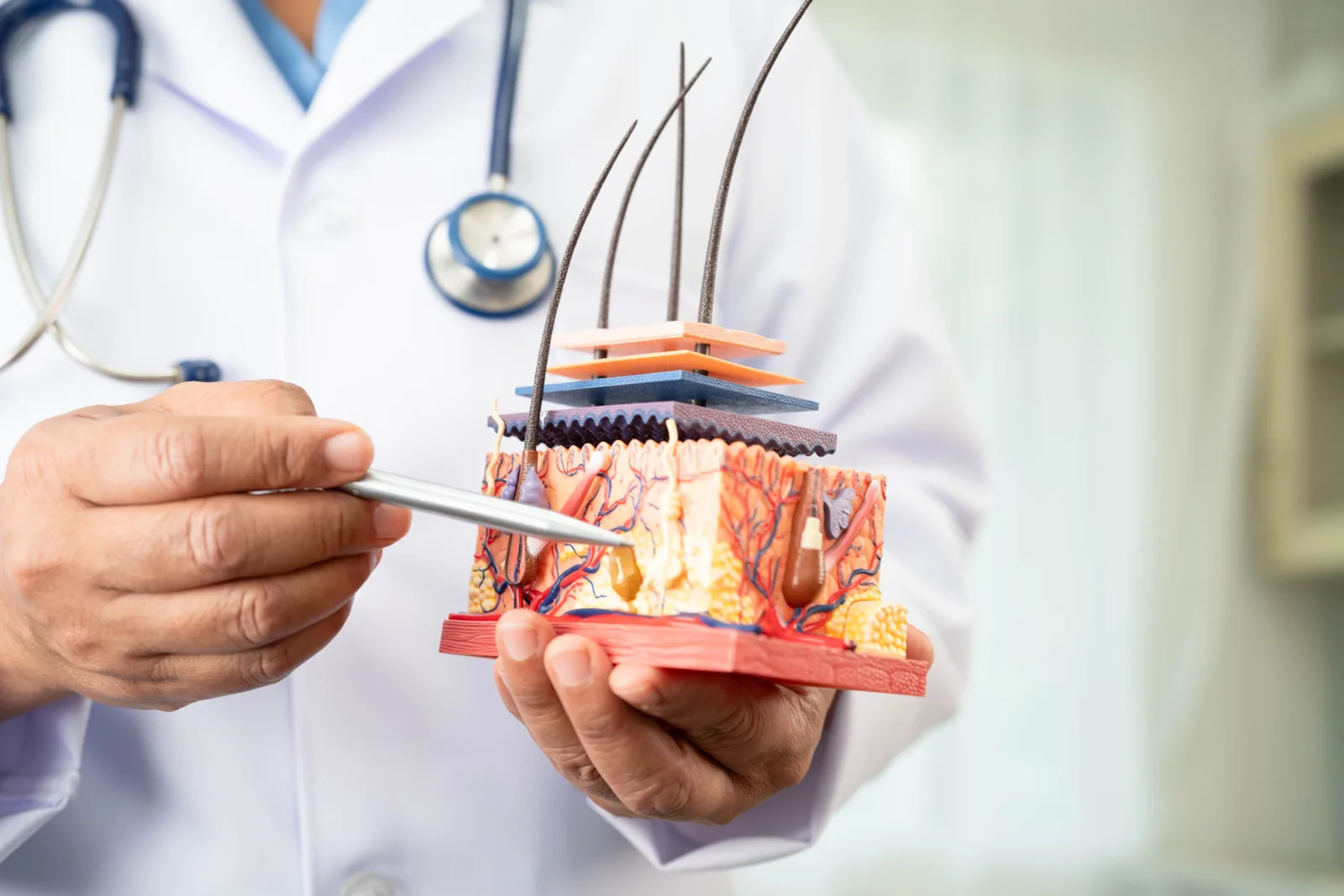
Hair loss can become both a physical and psychological concern for many people. Today, hair transplantation stands out as one of the most effective solutions for addressing this issue.
Learn More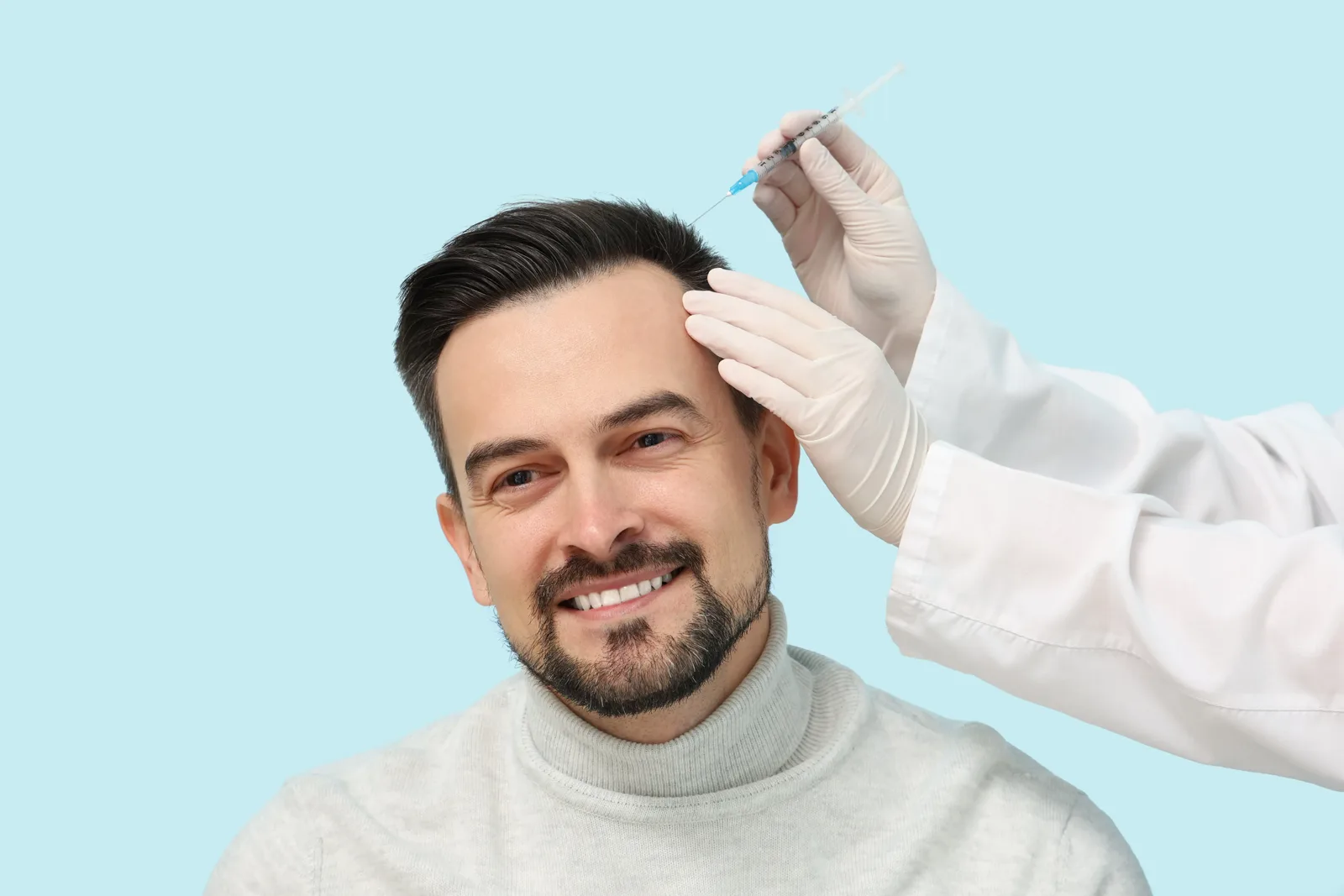
Hair loss can become both a physical and psychological challenge for many people. Today, hair transplantation stands out as one of the most effective solutions to this problem.
Learn MoreFill out the form for hair analysis, appointments, and consultation requests, or contact us directly.