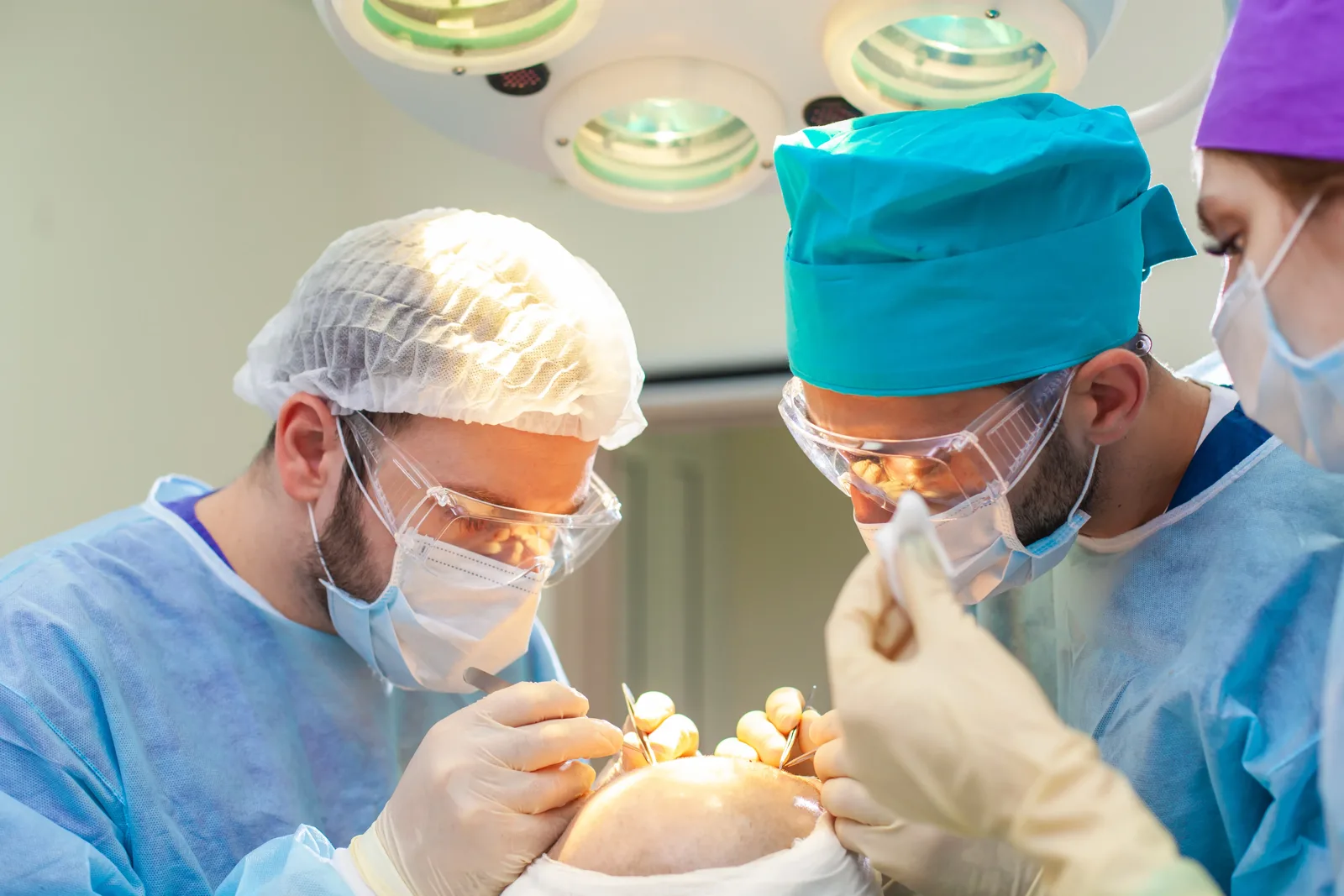
How does the hair transplant process in Turkey work? Discover a detailed guide about hair transplant in Istanbul, recovery, clinic selection, and the premium patient experience.
Learn More
When considering a hair transplant, one of the most critical aspects is the design of a natural hairline. As a hair transplant specialist based in Atasehir, Istanbul, Adem Demiral understands that a well-designed hairline can significantly enhance an individual's overall appearance. In this article, we will explore how age, face shape, and density balance contribute to creating a natural-looking hairline.
The hairline is one of the first features that people notice when they look at someone. A natural hairline design can frame the face and provide a youthful appearance. Conversely, an unnatural hairline can lead to an unbalanced look. Therefore, it is essential to consider various factors when planning a hair transplant.
Moreover, the hairline serves as a crucial element in defining a person's identity and self-image. A well-designed hairline can boost confidence and improve social interactions. For many individuals, the hairline is more than just a cosmetic feature; it is a reflection of their youth and vitality. Therefore, investing time and expertise into its design is paramount for achieving satisfactory results.
In addition, the evolution of hair transplant techniques has made it possible to create hairlines that are not only natural but also tailored to individual preferences. Advanced methods allow for greater customization, enabling specialists to take into account not just the biological aspects but also the aesthetic desires of each patient. This blend of science and art is what makes hairline design an intricate yet rewarding process.
Age plays a significant role in determining the ideal hairline design. As individuals age, their hairline naturally recedes. Understanding this process is crucial for a hair transplant specialist. A hairline that appears too youthful for an older individual may look artificial. Therefore, it is essential to create a hairline that reflects the patient’s age while maintaining a natural appearance.
For younger patients, it is vital to strike a balance between preserving the youthful characteristics of their hairline and avoiding overly aggressive designs that could lead to future issues as they age. A hairline that is too low or too straight can look unnatural and may not age well. Thus, planning for the future is an integral part of the design process.
For older adults, it is equally important to design a hairline that does not appear overly youthful. A natural hairline for older patients often incorporates a more pronounced recession, which can provide a more authentic and age-appropriate appearance. This careful consideration helps to ensure that the results are not only aesthetically pleasing but also believable.
For younger patients, the focus should be on preserving a youthful hairline that complements their facial features. A slightly lower hairline may be appropriate, but it should not be overly aggressive. The goal is to maintain a look that aligns with their age while also considering their unique facial characteristics.
In many cases, younger individuals may have a fuller hairline, and the design should aim to replicate this natural fullness. It is also crucial to consider the possibility of future hair loss. Therefore, a hairline that is too low can lead to complications down the line as the individual ages. A conservative approach that allows for natural progression is often the best course of action.
For those in their 30s and 40s, a natural hairline may exhibit slight recession. The design should reflect this change while maintaining a balanced look. Middle-aged patients often experience a gradual thinning of hair, and the hairline design should incorporate this aspect to ensure that the results appear natural.
This age group may also benefit from a design that includes subtle angles or curves, which can enhance the overall aesthetic. The hairline should not only look natural but also harmonize with other facial features, such as the jawline and cheekbones. A skilled hair transplant specialist will take these factors into account when designing the hairline.
In older patients, the hairline may have receded significantly. The design should consider this, ensuring that the hairline does not appear too low or unnatural. For older adults, a more conservative approach is often necessary, as an overly aggressive hairline can lead to an unnatural appearance.
Older patients may also have other considerations, such as the texture and density of their existing hair. The hair transplant specialist must take these factors into account to ensure that the new hairline blends seamlessly with the existing hair. Additionally, the design should reflect the natural aging process, which often includes a more mature hairline that has receded over time.

Another crucial aspect of hairline design is the shape of the face. Different face shapes require different hairline designs to achieve a harmonious look. A well-designed hairline can enhance the natural beauty of the face and create a balanced appearance.
Understanding the relationship between face shape and hairline design can lead to more aesthetically pleasing outcomes. For instance, a round face may benefit from a higher hairline to create the illusion of elongation, while a square face may require a more angular hairline to complement its strong features. By tailoring the hairline to the individual's face shape, hair transplant specialists can achieve results that look both natural and flattering.
Additionally, the hairline design should also consider the patient's personality and lifestyle. For example, someone with a more adventurous style may prefer a bolder hairline, while another individual may opt for a more conservative approach. Ultimately, the goal is to create a hairline that aligns with the patient's overall aesthetic and personal preferences.
For individuals with round faces, a hairline that is slightly higher can create the illusion of length, helping to balance the overall proportions. The corners of the hairline should be soft and rounded, which can enhance the natural curves of the face. This design not only complements the facial features but also contributes to a more youthful appearance.
It is also essential to consider the overall hairstyle that the patient prefers. A round face can often accommodate various styles, but the hairline should be designed to work well with the chosen hairstyle. For example, if the patient prefers a hairstyle that adds volume on top, the hairline should be designed to support this look.
For those with square faces, a hairline that features more pronounced angles can help to accentuate the strong jawline. However, it is crucial to balance these angles with softer curves to avoid a harsh appearance. The design should aim to create harmony between the hairline and the facial structure, contributing to an overall balanced look.
Additionally, the hairline can be designed to taper slightly towards the temples, which can help soften the angular features of a square face. This tapering can create a more feminine appearance for women or a more refined look for men. The key is to ensure that the hairline complements the individual’s unique features while still appearing natural.
The oval face shape is often considered the most versatile when it comes to hairline design. Individuals with this face shape can typically pull off a variety of hairlines, but a natural, slightly rounded hairline is often the most flattering. This design helps to enhance the natural symmetry of the oval face and creates a balanced appearance.
For patients with oval faces, the hairline can also be designed to incorporate subtle variations in height and shape, which can add depth and character to the overall look. By creating a hairline that is both natural and tailored to the individual, hair transplant specialists can achieve results that enhance the patient’s features and boost their confidence.
Density is another vital factor in hairline design. A natural hairline typically has varying density levels, with the front hairline being softer and less dense than the crown. Understanding how to balance these densities can lead to a more authentic look. The appearance of hair density can significantly affect how natural a hairline looks, and achieving the right balance is crucial for a successful outcome.
In a well-designed hairline, the density at the front should gradually transition to a denser crown area. This gradient is essential for creating a seamless and natural appearance. A hair transplant specialist must carefully plan the distribution of grafts to ensure that the density appears authentic and matches the patient's existing hair.
Furthermore, the density of the hair should also be considered in relation to the patient's age and hair type. For instance, younger patients may have thicker hair, while older patients may experience thinning. Tailoring the density to these factors ensures that the final result looks both natural and age-appropriate.
The front hairline should have a softer appearance, often achieved by using techniques such as the Diamond FUE or DHI Pro methods. These methods allow for precise placement of grafts, creating a natural gradient. The goal is to mimic the natural hair growth pattern, which is typically softer and less dense at the hairline.
By utilizing advanced techniques, specialists can create a hairline that appears more realistic. The placement of grafts in a staggered pattern can help to achieve this soft appearance, allowing for a more natural transition from the hairline to the rest of the scalp. This attention to detail is what sets apart a natural-looking hairline from one that appears artificial.
The crown area can have a denser appearance. It is essential to ensure that the transition between the front and crown areas is smooth to avoid an unnatural look. The density in the crown area should be carefully planned to match the overall hair density of the patient, ensuring that the final result looks cohesive.
In many cases, the crown area will require a higher density of grafts to create the illusion of fullness. However, this should be balanced with the front hairline to maintain a natural appearance. A skilled hair transplant specialist will take into account the patient's existing hair density and texture to create a harmonious look that enhances the overall aesthetic.
At Adem Demiral Hair Clinic, we utilize advanced techniques such as Sapphire FUE and unshaven transplant methods to achieve natural-looking results. These techniques allow for greater precision and adaptability to individual patient needs. The choice of technique can significantly impact the outcome of the hair transplant, making it essential to select the right approach based on the patient's specific requirements.
Sapphire FUE, for example, utilizes sapphire blades for graft extraction and implantation, allowing for more precise incisions and reduced trauma to the scalp. This technique results in less bleeding and a quicker recovery time, contributing to a more natural appearance. The precision offered by sapphire blades also allows for better control over graft placement, which is crucial for achieving a natural hairline.
Unshaven transplant methods are another innovative approach that can be beneficial for patients who prefer to maintain their existing hairstyle during the procedure. This technique allows for the extraction and implantation of grafts without shaving the donor area, making it a more discreet option for individuals who may be concerned about visible signs of the procedure.
In addition to hair transplant techniques, we also offer PRP (Platelet-Rich Plasma) and stem-cell supported care. These treatments can enhance hair growth and improve the overall health of the hair, contributing to a more natural appearance. PRP therapy involves drawing a small amount of the patient’s blood, processing it to concentrate the platelets, and then injecting it into the scalp to stimulate hair follicles.
This treatment can be particularly beneficial in conjunction with a hair transplant, as it can promote healing and improve the survival rate of the transplanted grafts. Additionally, stem-cell therapy is a cutting-edge approach that utilizes the regenerative properties of stem cells to enhance hair growth and restore hair density.
By integrating these advanced treatments into the hair restoration process, we can provide our patients with a comprehensive approach that not only focuses on the immediate results of the hair transplant but also supports long-term hair health and vitality.

Designing a natural hairline is a complex process that requires careful consideration of various factors such as age, face shape, and density balance. As a hair transplant specialist in Istanbul, Adem Demiral emphasizes the importance of a personalized approach to hairline design. By understanding these elements, we can create results that not only look natural but also enhance the overall aesthetic of our patients.
Ultimately, the goal of a hair transplant is not just to restore hair but to enhance the patient's quality of life. A well-designed hairline can boost self-esteem, improve social interactions, and contribute to a more positive self-image. Therefore, investing in a personalized hairline design is an essential step in the hair restoration journey.
For anyone considering a hair transplant, it is crucial to consult with a qualified specialist who understands the intricacies of hairline design. A thorough consultation can help ensure that all factors are considered, leading to a successful and satisfying outcome.
When designing a natural hairline, consider your age, face shape, and the density of your hair. Each of these factors plays a crucial role in achieving a balanced and aesthetic look.
Your age influences the natural appearance of your hairline. Younger individuals may have a fuller hairline, while older individuals may require a design that reflects natural recession.
Techniques such as Diamond FUE, DHI Pro, and Sapphire FUE are commonly used to create natural-looking hairlines. These methods allow for precise graft placement and density control.
Yes, different face shapes require different hairline designs to achieve harmony. A skilled hair transplant specialist will consider your face shape when designing your hairline.
Density affects how natural a hairline appears. A well-designed hairline will have varying densities, with the front being softer and the crown denser.
PRP and stem-cell treatments can enhance hair growth and improve overall hair health, contributing to a more natural appearance post-transplant.
You can visit our services page for more information about the treatments we offer at Adem Demiral Hair Clinic.
This article is published by Adem Demiral Hair Clinic for general information. It is not a diagnosis, a treatment plan, or a personal graft estimate. Suitability requires an in-person assessment in Atasehir.
How does the hair transplant process in Turkey work? Discover a detailed guide about hair transplant in Istanbul, recovery, clinic selection, and the premium patient experience.
Learn More
How does the recovery process after a hair transplant progress? Discover the first wash, shock loss, hair growth timeline, and the 12-month transformation in detail.
Learn More
Discover the differences between DHI and Sapphire FUE hair transplantation. A detailed comparison in terms of density, natural appearance, recovery process, and unshaven hair transplantation.
Learn More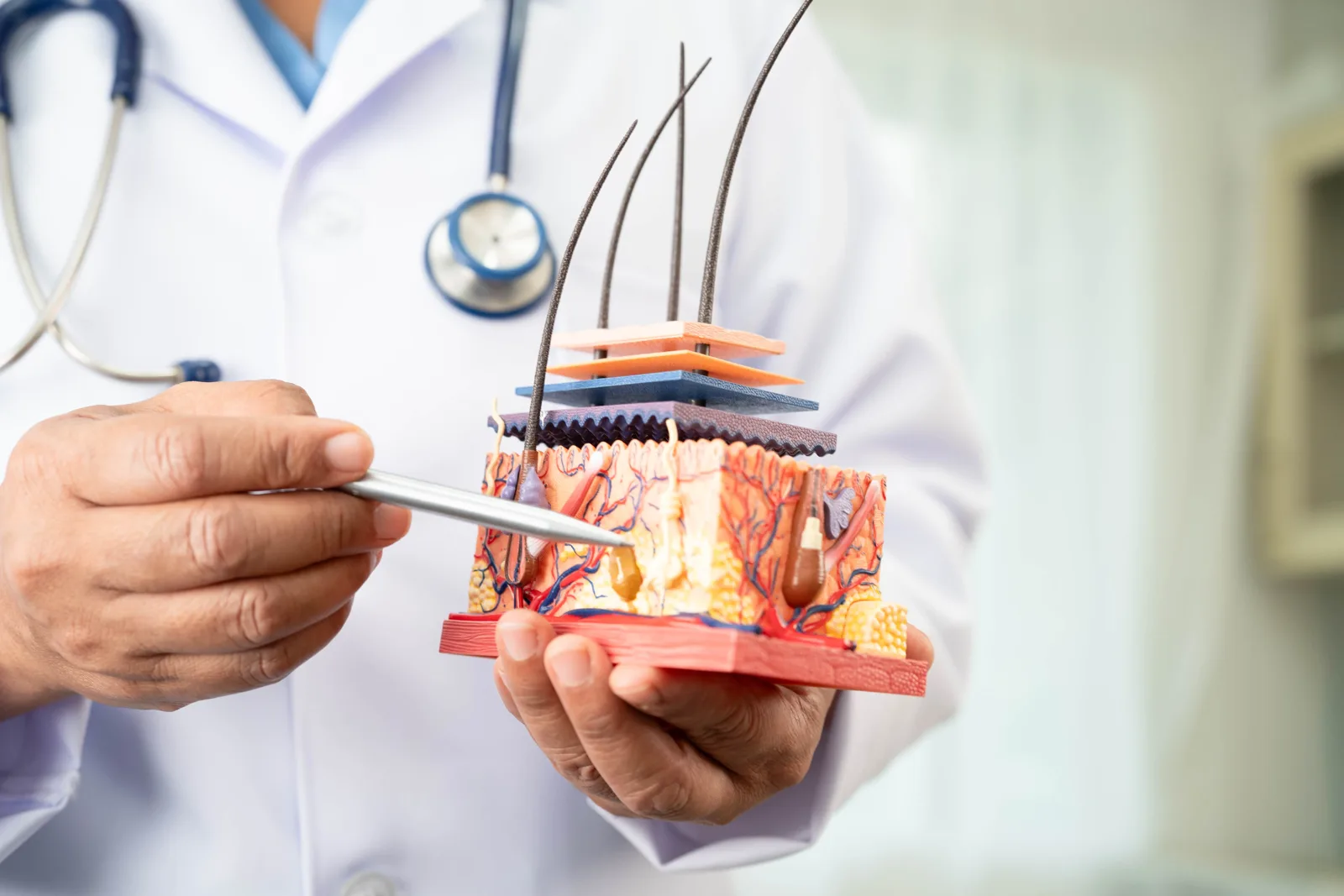
Hair loss can become both a physical and psychological concern for many people. Today, hair transplantation stands out as one of the most effective solutions for addressing this issue.
Learn More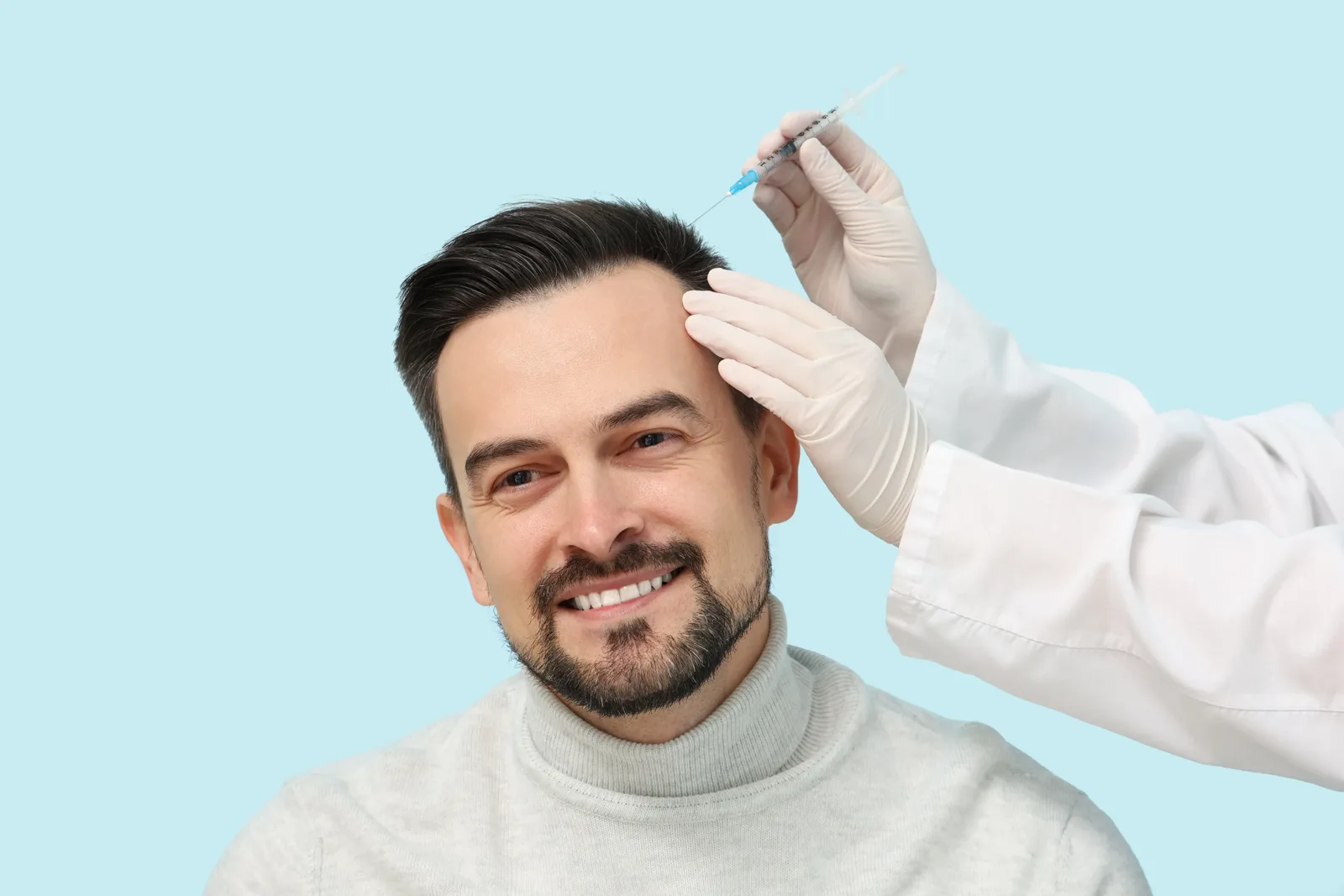
Hair loss can become both a physical and psychological challenge for many people. Today, hair transplantation stands out as one of the most effective solutions to this problem.
Learn MoreFill out the form for hair analysis, appointments, and consultation requests, or contact us directly.